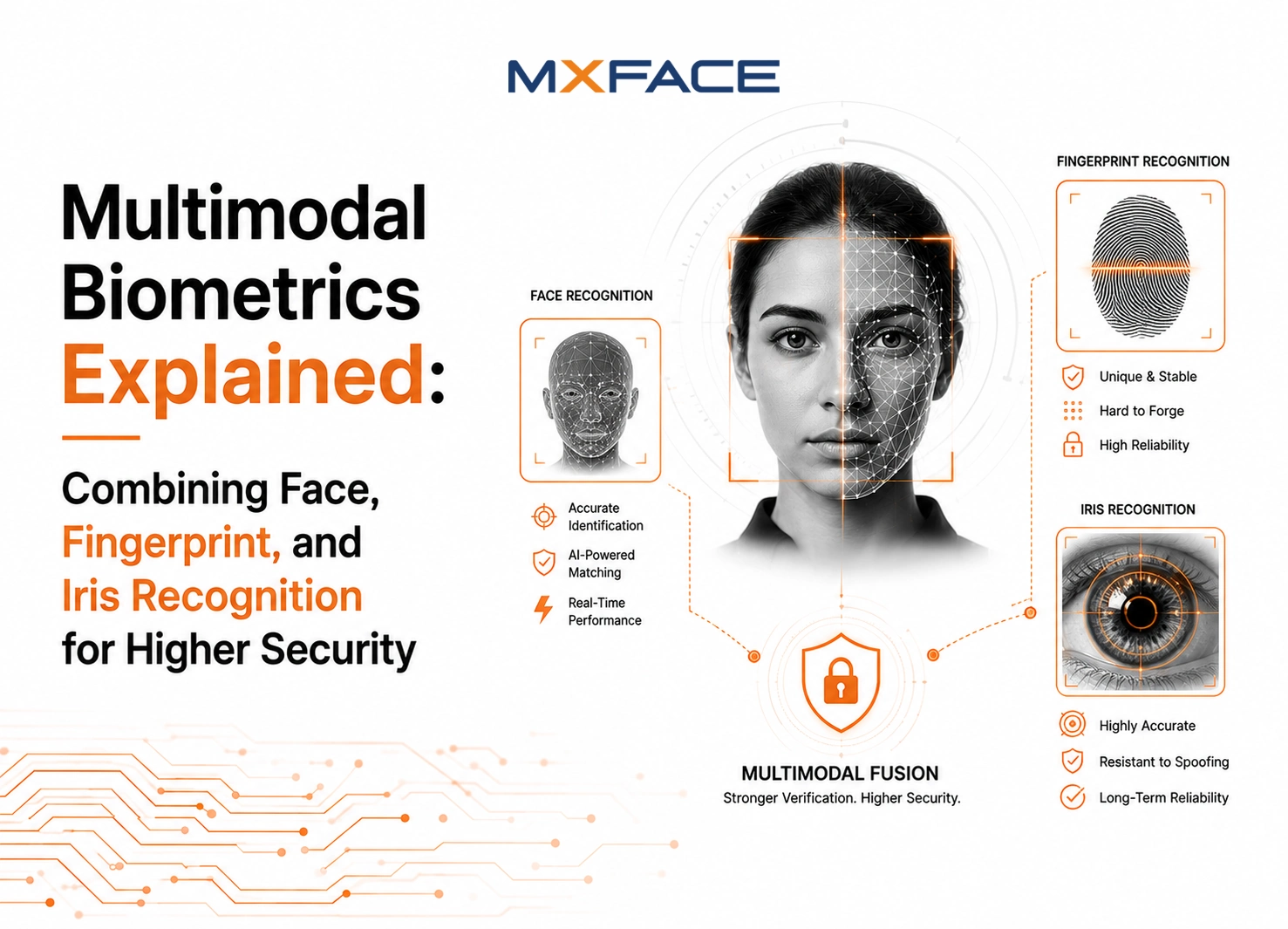
Face recognition is a ubiquitous application in the realm of computer vision that impacts our daily lives in various ways. Whether it's the convenience of tagging friends on Facebook photos or the swift unlocking of our smartphones, face recognition algorithms play a pivotal role in making these actions possible and much more. While humans possess the innate ability to recognize numerous faces and associate them with individuals, it's advancements in technology that enable digital systems to replicate this human-like capability with remarkable precision. As a data scientist, delving into the intricacies of face recognition requires a deeper understanding beyond the surface level.
In this article, we will explore the intricate world of facial recognition, covering the following aspects:
1. What is face recognition?
2. Face detection vs. face recognition.
3. How face recognition works?
4. Access to biometric data.
5. Use cases and applications.
6. Key takeaways.
What is Face Recognition?
Before we delve into the inner workings of face recognition software, let's establish a clear definition. Face recognition, in the context of AI, is the process of detecting a face in an image or video and identifying the person's identity based on that visual input. It involves determining whether the detected face corresponds to any known identity stored in a database. Modern face recognition algorithms can perform this task across various types of visual data, including images, pre-recorded videos, and real-time footage.
The data used during face recognition is termed "biometric information." It's similar to how software stores data about fingerprints, irises/retinas, or voices. Detecting the presence of a face is relatively straightforward, but the biometric data is crucial for distinguishing and labeling the countless faces in existence.
Face Detection vs. Face Recognition
At first glance, it's easy to confuse face detection with face recognition. To differentiate between the two, it's essential to understand the concept of object detection. In object detection, the primary objective is to locate a specific object within a visual, define its boundaries with a bounding box, and assign a category to that object. Face detection essentially applies the same process to identify the presence and position of faces in an image or video. However, it doesn't provide additional information such as matching the detected face to an existing database or specifying whose face is detected.
Face detection is valuable in scenarios where you need to perform tasks like headcounting in a crowd or determining if a face is present without the need for identity verification.
How Face Recognition Works?
Facial recognition is typically implemented using programming languages like Python for its efficiency. The process of facial recognition through machine learning methods involves several key steps:
1. Detecting a Face
As mentioned earlier, the first step is face detection. This process involves locating and identifying faces in an image or video, establishing whether any faces are present.
2. Face Alignment
Once a face is detected, the next step is to determine its alignment. Current face recognition technology requires clear, unobstructed views of faces looking toward the camera for higher accuracy. Machine learning models can identify key facial points (e.g., chin, eyes, mouth) and slightly adjust the image to achieve a front-facing alignment.
3. Face Measurement & Extraction
After detecting a face and aligning it correctly, the next step involves extracting essential features for face recognition. This includes measurements of various facial components such as eyes, nose, and mouth. These measurements play a crucial role in finding similar matches within the database.
4. Recognition
The actual facial recognition process occurs here. An algorithm compares the extracted measurements with those in the database to search for potential matches.
5. Verification
The facial features are compared between visuals until a complete match is verified. If an exact match isn't found in the database, the face remains unverified. The effectiveness of the algorithm depends on the quantity and quality of the training data, which can be gathered either from your data or from open-source datasets.
Who Has Access to Biometrics?
Biometrics is a critical consideration in facial recognition. It encompasses all biological measurements of a person, with facial recognition relying on vision-based biometrics—measurements visually evident to the human eye. Unlike non-vision biometrics like odor, handwriting, height, and weight, vision-based biometrics include fingerprint and iris/retina information. However, the collection and storage of such data raise ethical and privacy concerns. Typically, biometric data is stored on the user's end device to ensure data privacy and integrity.
Use Cases and Applications
Facial recognition technology finds applications across a multitude of domains. Here are a few prominent examples:
Device & Access Security
Facial recognition is a common feature in smartphones, tablets, and smart vehicles, allowing users to secure their devices and control access. It extends to securing entire vehicles and rooms by requiring facial authorization for entry.
Shoplifting & Crime Prevention
Retail establishments employ facial recognition security systems to identify shoplifters and prevent theft. If a known shoplifter is detected, the system can alert security or law enforcement for immediate action.
Border Control
International borders often employ facial recognition for immigration tracking and security purposes. Faces are scanned and cross-referenced with databases to determine entry eligibility, enhancing national security.
Healthcare
Medical institutions and assisted living facilities use facial recognition to track patients and ensure their safety. It can help locate wandering patients and detect unauthorized individuals within the facility
Key Takeaways
Face recognition technology is an integral part of modern life and is expected to continue shaping our future. Real-time face recognition, driven by advancements in machine learning, is becoming more accurate and crucial than ever. From securing personal devices to enhancing security in various sectors, the applications are boundless. With readily available datasets and libraries, creating your own face recognition software through machine learning is more accessible than ever. However, understanding the fundamental components, including face detection, alignment, measurement, and verification, is crucial for success.
This guide to facial recognition serves as a foundation for your continuous learning journey in this exciting field!