Table of Contents
- 1. Introduction
- 2. The Role of Biometric MFA in Modern Education
-
3. Technical Foundations
- 3.1 Biometric Enrollment
- 3.2 Authentication Process
- 3.3 Advanced Safeguards
-
4. Use Cases in Educational Environments
- 4.1 Securing Sensitive Student Data
- 4.2 Ensuring Authorised Access in Virtual Classrooms
- 4.3 Protecting Student Records and Portals
- 4.4 Securing Online Learning Platforms
- 4.5 Preventing Impersonation During Exams
- 4.6 Enabling Passwordless and Seamless Logins
- 5. Institutional Requirements for Implementation
- 6. How Biometric MFA Supports Personalised Learning and Accountability
- 7. Conclusion
- 8. Frequently Asked Questions (FAQ)
In the ever-evolving landscape of education, where digital transformation is no longer optional, maintaining the security of virtual and hybrid learning environments has become critical. The global shift to online learning platforms, virtual classrooms, and digital student records has introduced new challenges around access control , data privacy, and academic integrity. As educational institutions adopt cloud-based systems and remote assessment tools, the need for robust, user-friendly, and trustworthy authentication mechanisms is more urgent than ever.
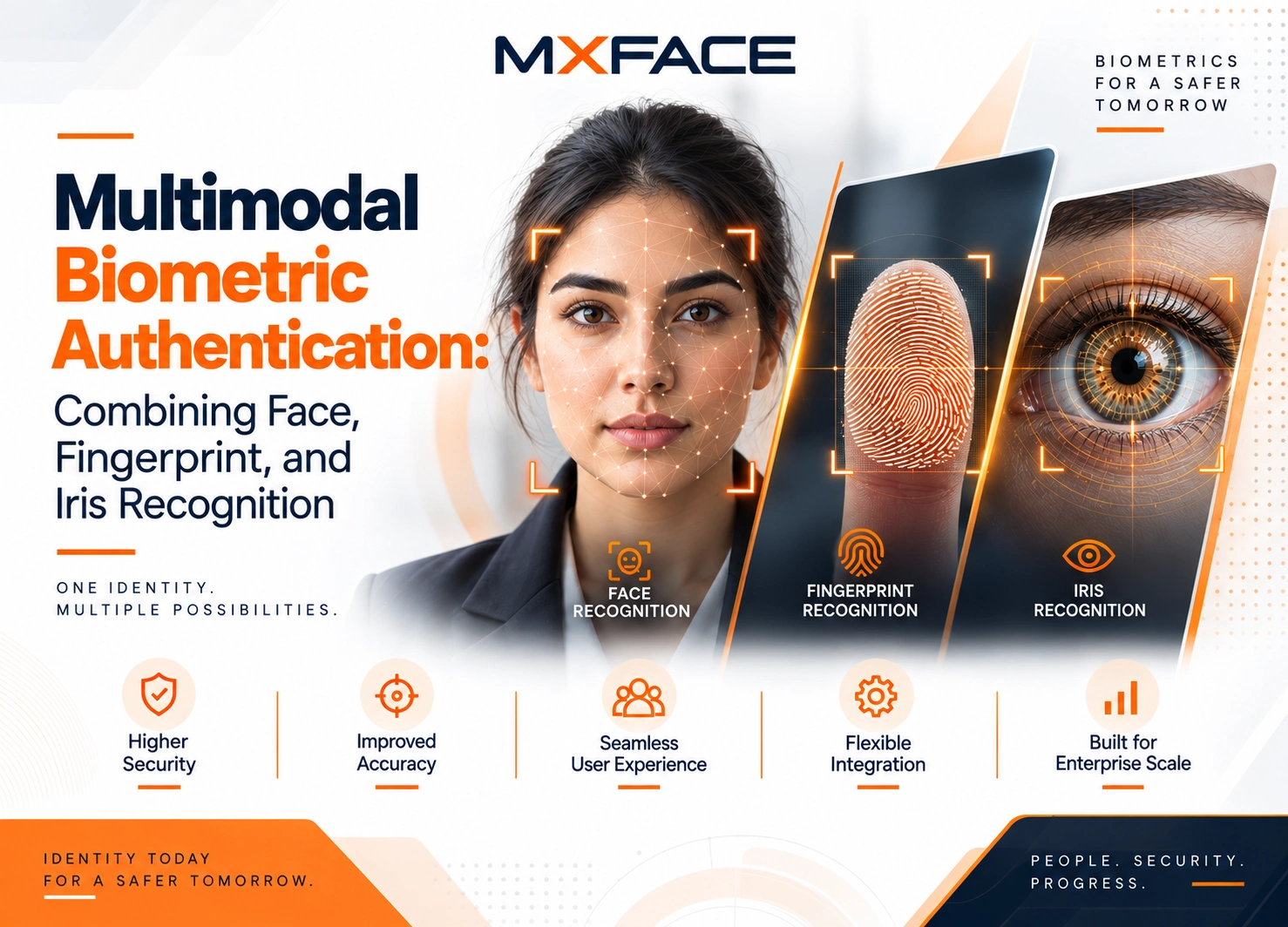
Biometric Multi-Factor Authentication (MFA) offers a timely and powerful solution. By combining traditional login credentials with unique biological traits—such as fingerprints, facial patterns, or iris scans—biometric MFA creates a security framework that not only safeguards data but also enhances the overall learning experience. This technology does more than secure systems; it establishes a culture of accountability, authenticity, and efficiency in education.
The Role of Biometric MFA in Modern Education
Biometric MFA operates on a simple principle: two or more verification factors are better than one. In a typical educational setup, students and staff log into systems using a username and password. However, passwords can be shared, guessed, or stolen. Biometric MFA enhances this process by introducing a second layer of verification—something the user is.
Why It Matters in Education
This dual-layer authentication is particularly valuable in the educational sector for several reasons:
- Institutions handle vast amounts of sensitive student data.
- Virtual classrooms need to ensure that only enrolled students and authorised staff gain access.
- Online assessments require mechanisms to prevent impersonation and cheating.
- Students and faculty juggle multiple platforms daily and struggle with password fatigue.
With biometric MFA, these challenges can be addressed in a secure and seamless way.
Technical Foundations
1. Biometric Enrolment
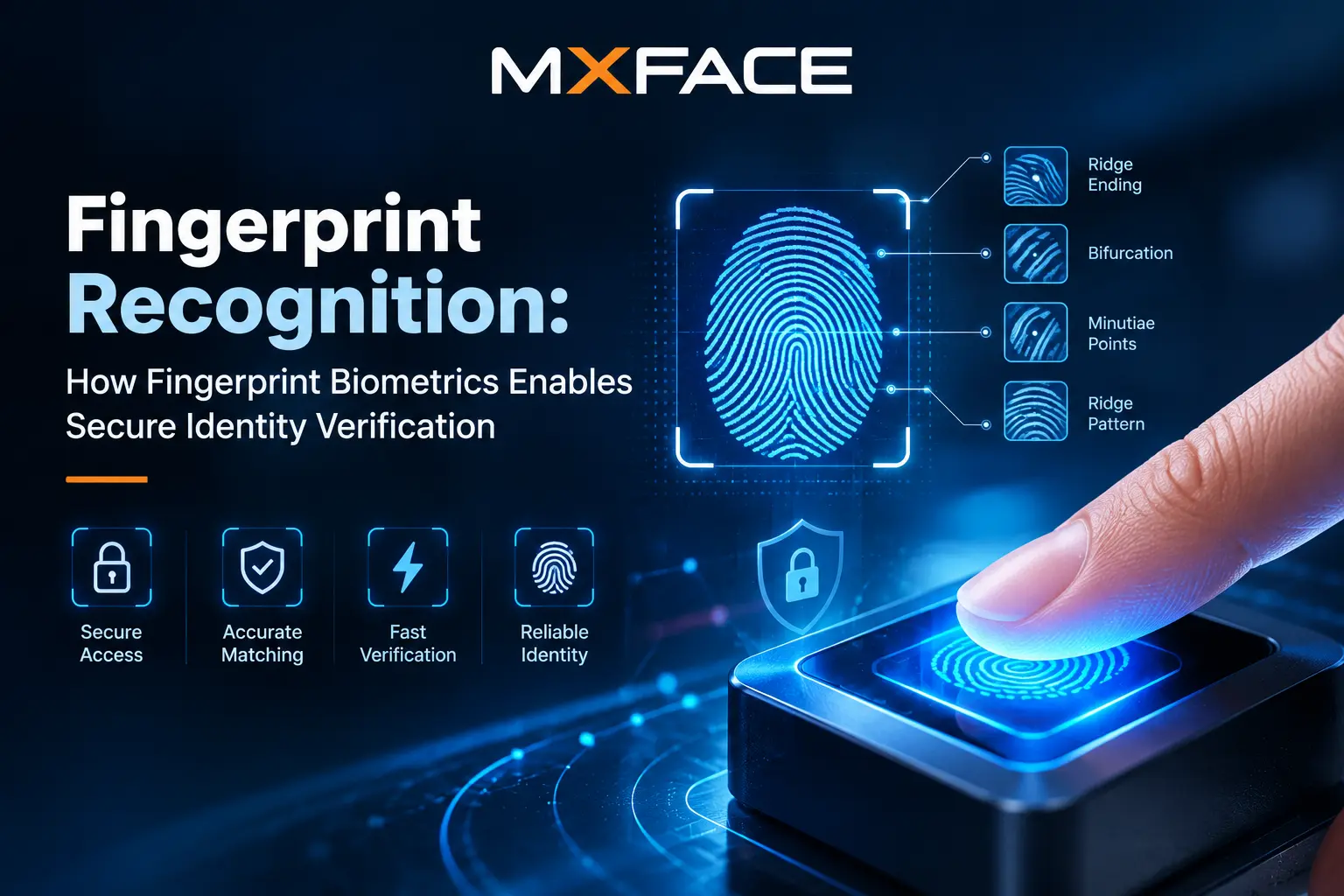
Students and staff first register their biometric data—this could be a fingerprint scan, a facial image, or an iris capture. Rather than storing raw images, the system extracts key biometric features and converts them into a secure mathematical template. These templates are encrypted and stored in a secure database or on-device.
2. Authentication Process
When logging in or attempting to access a secure resource (e.g., student records, exams, LMS), the user provides a traditional credential (like a password) and a biometric input. The live biometric sample is matched against the stored template using real-time biometric matching algorithms. Access is only granted if both factors match—eliminating the possibility of password-only breaches or proxy login attempts.
3. Advanced Safeguards
Modern systems also integrate:
- Liveness detection to prevent spoofing via photos or videos.
- Secure transmission protocols (e.g., TLS, HTTPS) to protect data in transit.
- Role-based access controls to ensure users access only what they're authorised to.
- Immutable access logs for audit and compliance.
This multi-layered approach ensures that biometric MFA is not only efficient but also secure and compliant with global data protection regulations.
Use Cases in Educational Environments
Securing Sensitive Student Data
From medical records to academic transcripts, educational institutions manage a wealth of sensitive information. Biometric MFA ensures that only verified individuals can access this data. Even if a password is compromised, access is denied without the biometric match. Moreover, all access attempts are recorded, ensuring traceability and accountability.
Ensuring Authorised Access in Virtual Classrooms
In hybrid and remote learning models, verifying attendance and participation is challenging. Biometric MFA authenticates students at login and can even run periodic facial checks to ensure continuity. Teachers, too, can be verified using fingerprint or facial scans before gaining administrative access to virtual teaching tools.
Protecting Student Records and Portals
Administrative portals containing exam schedules, financial information, and behavioural notes can be protected by biometric MFA. This ensures that only relevant parties—such as school counsellors, examiners, or guardians—can access specific information.
Securing Online Learning Platforms
Biometric MFA integrates with Learning Management Systems (LMS) to streamline and secure logins. This reduces the need for multiple passwords and protects against phishing attacks and credential stuffing. Biometric sign-in also enhances user experience by allowing single sign-on without sacrificing security.
Preventing Impersonation During Exams
One of the most significant benefits of biometric MFA is its role in exam integrity. Before an online exam, students can verify their identity using face recognition or fingerprint scanning. During the assessment, systems can continuously authenticate their identity, making proxy exam-taking nearly impossible. In high-stakes testing environments, this technology builds trust in the evaluation process.
Related: How to Find a License Plate Number Using Computer Vision
Enabling Passwordless and Seamless Logins
Biometric MFA significantly improves user experience. By enabling fingerprint or facial login, it eliminates the need to remember multiple complex passwords. Devices that support biometric login (e.g., Android phones, iPhones, Windows Hello) can authenticate users via secure cryptographic protocols like FIDO2 or WebAuthn, ensuring a frictionless but secure entry point.
How Biometric MFA Supports Personalised Learning and Accountability
Biometric authentication does more than secure access—it can actively enhance personalised learning. By accurately identifying students in real-time, systems can offer tailored learning paths, adaptive content, and progress tracking without the risk of impersonation or false attendance.
In terms of accountability, biometric logs ensure that both students and educators are held responsible for attendance, participation, and platform usage. This level of traceability encourages consistent behaviour and fosters a culture of integrity.
MxFace offers powerful SDKs and APIs for facial, fingerprint, and iris recognition, making it easy for educational institutions to implement biometric Multi-Factor Authentication across their platforms. Whether you’re upgrading your LMS, securing virtual exams, or protecting student portals—MxFace brings enterprise-grade biometric capabilities with GDPR and PDPA compliance built-in.
Explore MxFace SDKs today and transform your digital campus.
Conclusion
Biometric Multi-Factor Authentication is reshaping the education industry by merging security with usability. It offers a powerful response to modern challenges—ensuring that only the right individuals access learning platforms, participate in exams, and manage sensitive records. Beyond security, it enhances operational efficiency, promotes fairness, and supports the growing demand for personalised and remote education.
As the education sector continues its digital transformation, biometric MFA will play a pivotal role in building safer, smarter classrooms that are as secure as they are accessible.
Frequently Asked Questions
Can students opt out of biometric authentication?
In some jurisdictions, students must be given alternatives to biometric authentication if they do not consent. Institutions should provide fallback methods, such as smart cards or OTP-based systems, especially for younger students.
What if a student’s biometric data is compromised?
Biometric templates cannot be reverse-engineered into actual images, and they are useless without the specific matching system. Nevertheless, systems must have fallback measures and the ability to revoke access if needed.
Are biometric systems expensive to implement?
Costs have decreased significantly with the proliferation of biometric-enabled smartphones and laptops. Open-source tools and cloud-based APIs also allow for cost-effective deployment, especially in medium to large institutions.
How does biometric MFA affect user experience?
It simplifies access by reducing reliance on passwords. Logins become faster, more intuitive, and less frustrating—especially for students who access multiple platforms daily.